
Instagram Reels vs. TikTok: Which Platform Actually Closes Deals for Real Estate Agents?
Let me be honest with you. After three years of posting on both platforms and tracking every single lead source, I’ve learned something that might save you countless hours of frustration: not all views are created equal.
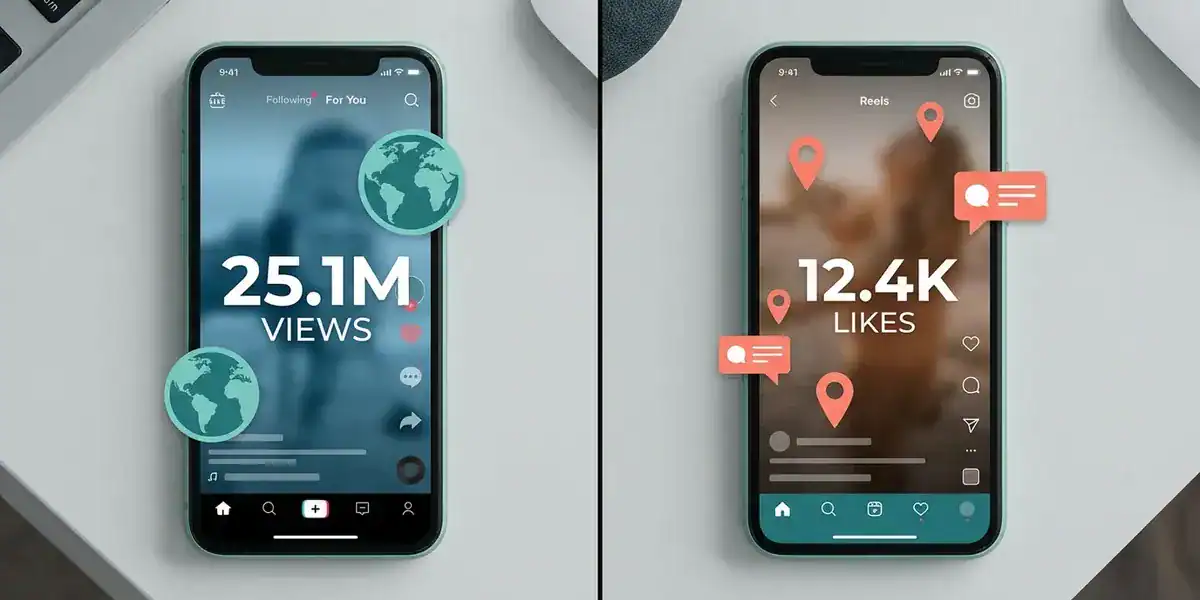
I used to celebrate when a TikTok video hit 50,000 views. Then I’d check my DMs and find comments from teenagers asking if the house came with a gaming room, or worse, people from three states away who just thought the kitchen was cool. Meanwhile, a Reel with 3,000 views in my local market generated four serious buyer consultations. That’s when it clicked for me.
This isn’t about which platform is “better” in some abstract sense. It’s about where your actual buyers are spending their time, and more importantly, where they’re in the mindset to make decisions about real estate. If you’re tired of creating content that gets engagement but doesn’t move the needle on your business, this breakdown is for you.
Contents
- 1 The Vanity Metrics Trap (And How I Fell Into It)
- 2 Who’s Actually Buying Homes Right Now?
- 3 The Algorithm Game: Local vs. Global
- 4 The Direct Message Difference (This Is Where Deals Happen)
- 5 Time Management: The 80/20 Strategy That Actually Works
- 6 Content That Actually Generates Leads
- 7 Setting Realistic Expectations
- 8 Final Thoughts
The Vanity Metrics Trap (And How I Fell Into It)
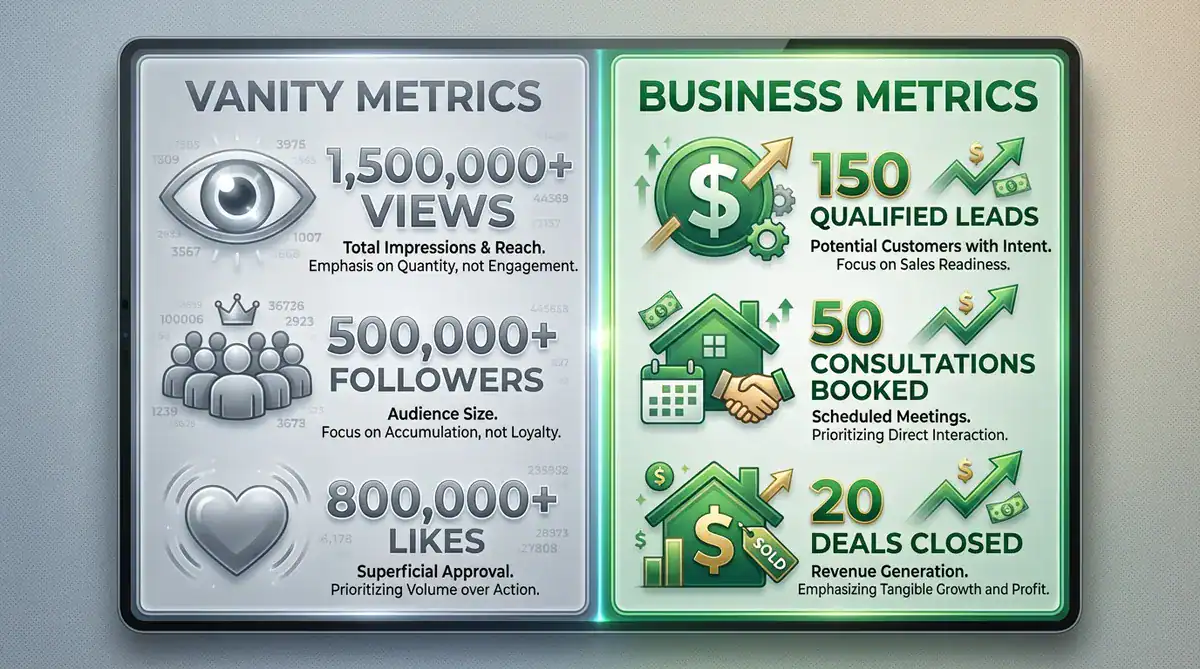
Here’s what nobody tells you when you start posting on social media: views feel good, but they don’t pay your bills.
I remember one particular TikTok from last fall. It was a quick walkthrough of a stunning midcentury modern listing. The algorithm loved it—78,000 views in two days. My phone was blowing up with notifications. I felt like I’d finally cracked the code.
Then reality set in. Out of those 78,000 views, I got maybe twenty-five profile visits, three DM inquiries, and exactly zero qualified leads. Most of the comments were people debating whether the orange couch in the living room was “vintage cool” or “vintage ugly.” Nobody asked about square footage, school districts, or how to schedule a showing.
Compare that to a Reel I posted around the same time explaining the actual cost breakdown of buying a $600,000 home in my market. It got 4,200 views. But I had twelve people save it, six people sent it to their partners, and two of those viewers became clients within sixty days.
Understanding Real Conversion Metrics
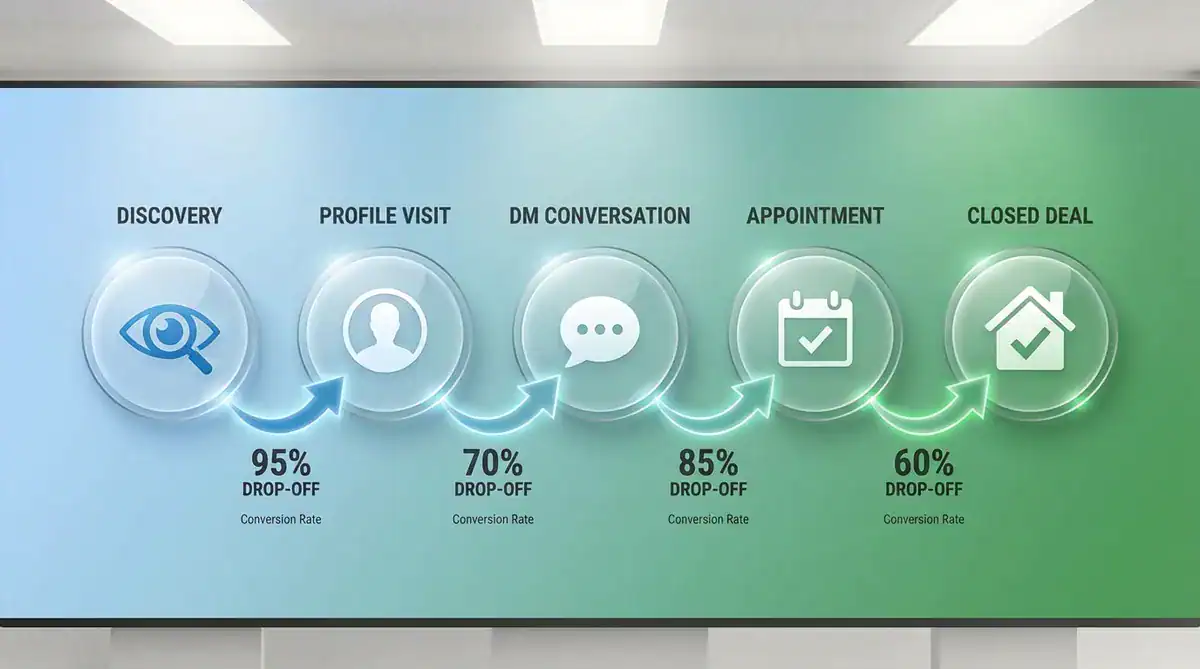
When I talk about conversion, I’m talking about the path from viewer to actual client. Here’s what that looks like in practice:
The TikTok Journey (in my experience):
- Someone sees your video while scrolling
- They might like or comment
- They keep scrolling
- Maybe they remember your face if they see you again
- That’s usually where it ends
The Instagram Journey:
- Someone sees your Reel
- They watch it, maybe read your caption
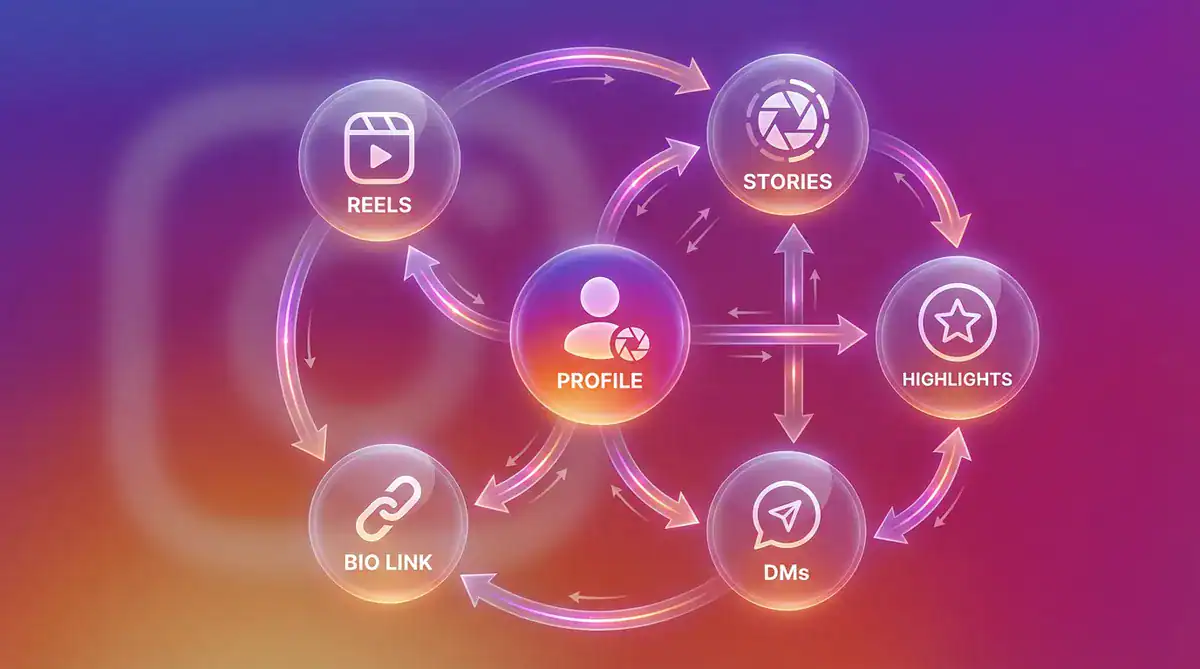
- They click to your profile to see if you’re legit
- They check your Story highlights about recent sales
- They send you a DM asking a specific question
- You have a real conversation
- You book a consultation
That second path happens way more frequently on Instagram. The platform is designed for that kind of journey.
Who’s Actually Buying Homes Right Now?
Let’s talk about demographics, because this is where the rubber meets the road.
The Age Factor
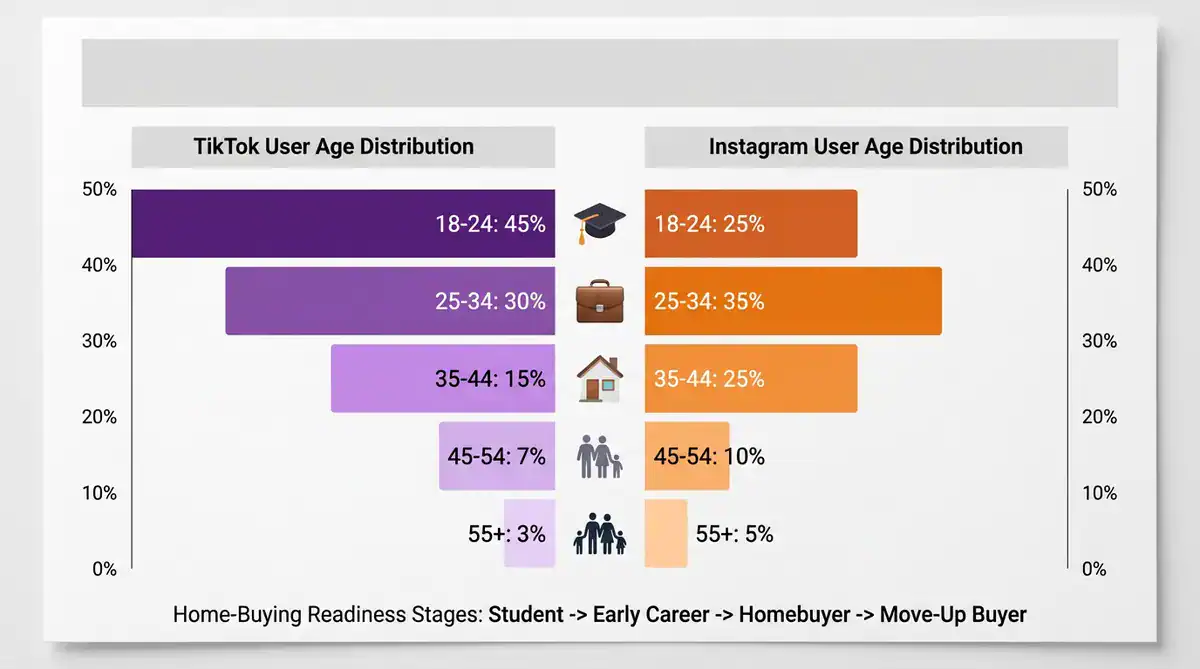
I pulled my own transaction data from the last eighteen months. Out of thirty-two closings, twenty-seven buyers were between the ages of 29 and 47. Three were in their early fifties. Two were in their mid-twenties (both had significant family help with down payments).
This matches broader industry trends. The people who are actively buying homes right now—especially move-up buyers and anyone purchasing above the median price point—are predominantly Millennials and older Gen Z who’ve been in the workforce for several years.
Instagram’s user base skews heavily toward this demographic. According to recent data, over 60% of Instagram users are between 25 and 44 years old. More importantly, these users are on Instagram with a different mindset than they are on TikTok.
The Mindset Difference
Here’s something I’ve noticed: when someone opens TikTok, they’re looking to be entertained. They want quick dopamine hits, funny content, maybe some inspiration. That’s not a bad thing—it’s just what the platform is built for.
When someone opens Instagram, especially if they’re in that 28-45 demographic, they’re often checking in on their actual community. They’re looking at what their friends are up to, what local businesses are posting, what’s happening in their city. They’re in a more intentional, less frenetic headspace.
For real estate content, that difference in mindset is everything. Someone who’s casually scrolling TikTok at 11 PM isn’t necessarily thinking “I should probably call an agent tomorrow.” But someone who’s on Instagram during their lunch break, who sees a local agent explaining new construction options in their neighborhood? That person might actually reach out.
The Financial Qualification Reality
This is the part that took me a while to accept. TikTok’s audience is growing up and gaining purchasing power, absolutely. But right now, today, the people who can actually qualify for a mortgage and close on a property are spending more meaningful time on Instagram.
I’m not saying there are no qualified buyers on TikTok. I’ve gotten a few leads from there. But the percentage of my TikTok audience that could actually buy a home tomorrow is significantly lower than on Instagram. It’s just math.
The Algorithm Game: Local vs. Global
Here’s where things get technical, but stay with me because this directly impacts whether your content reaches people who can hire you.
How TikTok Thinks
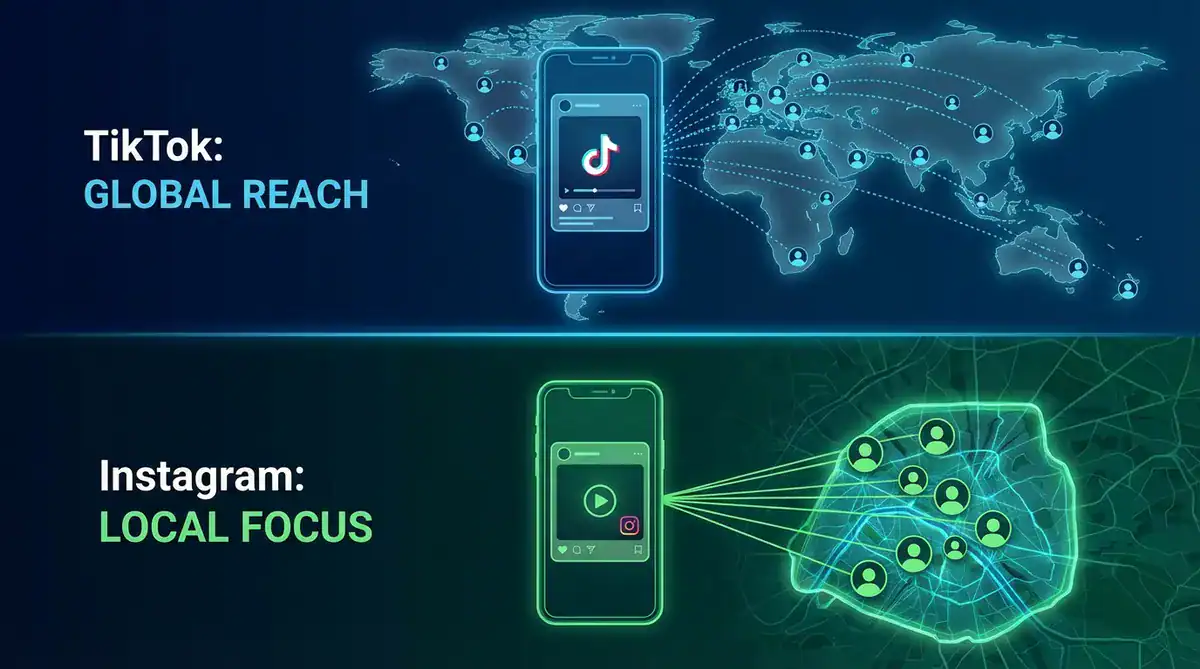
TikTok’s algorithm is incredibly good at one thing: showing your content to people who will engage with it, regardless of where they live.
Last month, I posted a video about common home inspection issues. TikTok’s algorithm determined that people interested in home improvement content would like it. So it showed my video to DIY enthusiasts in Seattle, college kids studying architecture in Texas, and aspiring flippers in Florida. I got great engagement. None of them could buy a house in my market.
TikTok operates on what’s called a “content graph”—it cares about what you’re interested in, not where you are. For a national brand selling products online, this is perfect. For a real estate agent who can only serve a specific geographic area, it’s deeply inefficient.
How Instagram Thinks Differently
Instagram still cares about content quality and engagement, but it weighs location much more heavily, especially for Reels.
When I post a Reel and tag it with my city, Instagram’s algorithm prioritizes showing it to:
- People who follow other accounts in my area
- People who’ve recently searched for content related to my city
- People who interact with posts tagged in similar locations
- People whose location settings show they’re physically in or near my market
This is huge. I’m not trying to go viral globally. I’m trying to be seen by the 500,000 people who live within my service area.
The Local Search Advantage
Here’s a practical test you can do right now. Open Instagram and search for “[Your City] Real Estate” in the search bar. You’ll likely see a mix of accounts and Reels from local agents. The platform is actually set up for people to discover local service providers.
Now try the same search on TikTok. The results are much less geographically focused. You might see popular real estate creators from across the country, viral home tours from other markets, or general real estate advice from national accounts.
For someone who’s actually thinking “I need a real estate agent in Denver,” Instagram’s search functionality is far more useful. And that search intent is gold for us.
The Direct Message Difference (This Is Where Deals Happen)
I need to talk about something that doesn’t get enough attention: the conversation infrastructure.
Why Instagram DMs Are Built for Business
Think about the last time a potential client reached out to you. How did that conversation go? Probably something like:
- Initial question about a listing or the market
- Back and forth clarifying their needs
- Sharing specific properties that match
- Scheduling a call or meeting
- Following up with additional information
Instagram’s DM system handles this flow naturally. I can send voice messages explaining complex topics, share listing links that preview nicely, schedule video calls, and even send quick property photos—all in the same thread. The interface is clean, it’s on desktop and mobile, and most importantly, people are already comfortable using it for business conversations.
TikTok’s Messaging Limitations
TikTok’s messaging has improved, but it still feels like an afterthought. The interface is more basic, sharing external links feels clunky, and honestly, most people don’t think of TikTok as a place to have business conversations.
I’ve noticed that even when someone wants to reach out from TikTok, they often end up finding me on Instagram to actually message me. The platform behaviors are just different.
The Instagram Ecosystem Advantage
Here’s what a typical conversion path looks like for me on Instagram:
- Someone sees my Reel about first-time buyer programs
- They click to my profile and watch three more Reels
- They check my Story highlights titled “Recent Sales” and “Client Reviews”
- They send me a DM: “Hi, I’m interested in learning more about those down payment assistance programs”
- We have a real conversation
- I send them a custom CMA or property suggestions
- We set up a consultation
Every piece of this path is smooth on Instagram. TikTok doesn’t have an equivalent to Story highlights, the profile setup is more limited, and the whole flow feels more fragmented.
Time Management: The 80/20 Strategy That Actually Works
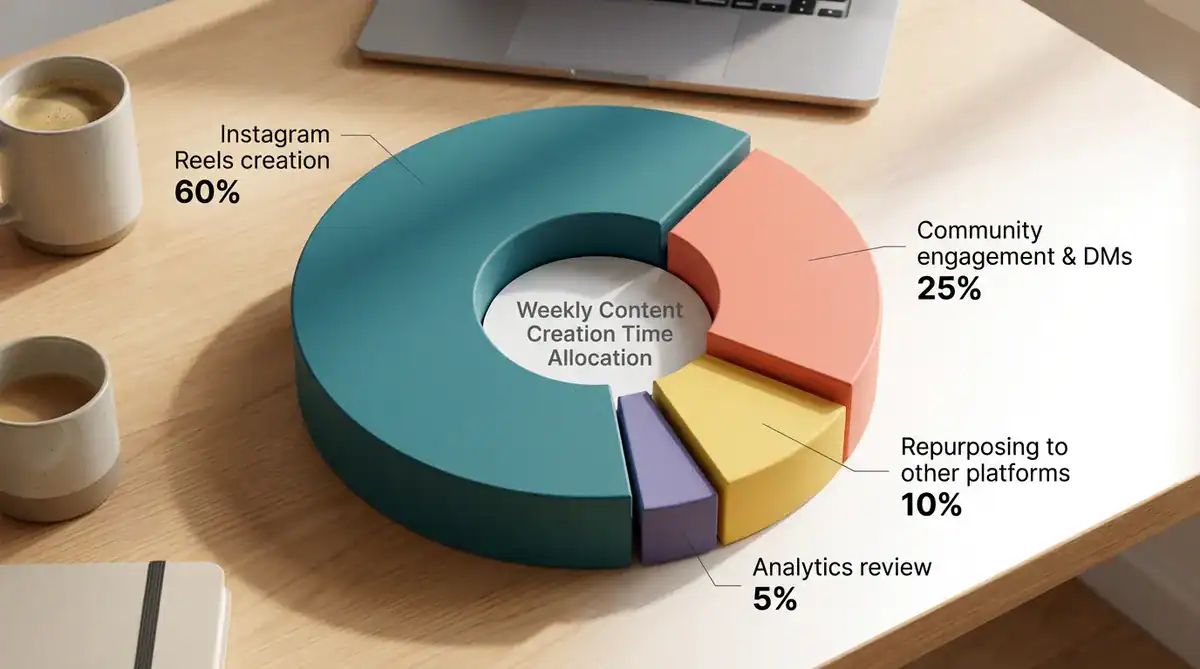
Let me share something personal. About a year ago, I was drowning. I was trying to create unique content for Instagram, TikTok, YouTube Shorts, Facebook, and LinkedIn. Different formats, different captions, different posting schedules. I was spending 15-20 hours a week on content creation and getting completely burned out.
What I Changed
I adopted what I call the “focus and repurpose” approach. Here’s how it works:
80% of my creative energy goes to Instagram Reels because:
- That’s where my qualified leads come from
- The content performs well there
- The platform converts viewers to clients
- I can build relationships in the DMs
20% of my time goes to repurposing:
- I take my best Reels and post them to TikTok (removing any watermarks)
- I occasionally create TikTok-specific content if I have a fun idea
- I don’t stress about TikTok’s algorithm or posting schedule
This shift was a game-changer. Instead of creating seven mediocre pieces of content across different platforms, I create two or three really solid Reels per week and then distribute them strategically.
The Production Reality
Most agents I know get stuck on production. They think they need ring lights, DSLR cameras, fancy editing software, and hours of post-production time. That’s just not true anymore.
My setup:
- iPhone (nothing fancy, whatever model you have works)
- $25 lapel microphone from Amazon
- Natural lighting from a window
- I edit in the Instagram app or use CapCut for anything more complex
Total time from concept to published: usually 20-30 minutes per Reel.
Streamlining the Listing Marketing Process
One area where I’ve found efficiency gains is in creating listing marketing materials. When I get a new listing, I used to spend hours creating the video tour, the property website, social media posts, and email campaigns. It was consuming entire evenings.
I’ve started using some tools that help generate basic marketing assets from listing photos and details, which cuts down the initial production time significantly. I still review and customize everything to match my brand and add my personal touch, but having that starting point saves considerable time. That means I can actually respond to the leads my content generates instead of being stuck behind a computer all evening.
The principle here is simple: use technology to handle repetitive tasks so you can focus on the high-value activities like building relationships and having real conversations with clients.
Content That Actually Generates Leads
Let’s get specific about what works. I track every single lead source, and I can tell you exactly which types of content generate conversations.
What Performs Best (Based on My Data)
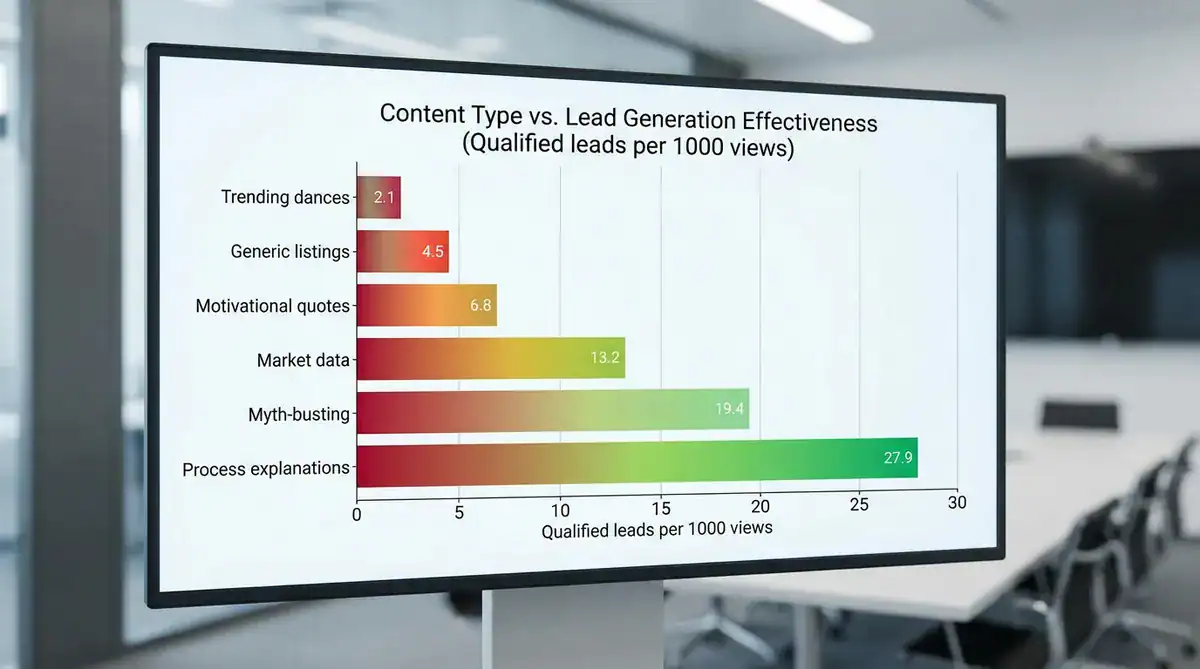
1. Market-Specific Information
My best-performing Reel last quarter was titled “What $500K Actually Buys You in [My City] Right Now.” I showed three different properties at that price point in different neighborhoods, explained the trade-offs, and gave honest commentary about each area.
It got moderate views (around 5,000), but generated eleven DM conversations. Three of those turned into buyer consultations, and one closed.
Why did it work? It was hyper-local, immediately useful, and demonstrated market knowledge. The people who engaged were actually in the market.
Content Breakdown: Market Updates
When creating market-specific content, I focus on:
- Actual data from my MLS (median prices, days on market, inventory levels)
- Neighborhood-by-neighborhood comparisons
- Price trends over the last quarter or year
- What specific price points can buy in different areas
The key is being specific. Don’t say “the market is hot.” Say “homes in the $400-500K range are averaging 8 days on market with 3.2 offers, while homes over $750K are sitting for an average of 24 days.”
2. Myth-Busting Content
There are so many misconceptions about real estate. I created a series addressing common myths:
- “You don’t always need 20% down”
- “Buying isn’t always better than renting”
- “New construction has hidden costs”
- “Inspection results are negotiable”
These consistently generate engagement from people who are early in their buying journey. They’re educating themselves, which means they’re serious.
Why Myth-Busting Works
People remember information that challenges their assumptions. When someone has believed for years that they need 20% down, and you show them FHA loans, VA loans, and first-time buyer programs, you’ve just removed their biggest barrier to starting the process. That’s valuable, and they remember who taught them that.
3. Behind-the-Scenes Process Explanations
People are intimidated by the home buying process. When I break it down—”Here’s what happens during underwriting” or “This is why appraisals sometimes come in low”—I’m removing barriers and building trust.
A Reel explaining the timeline from offer to closing got saved over 200 times. Those saves matter because people are bookmarking it for future reference, which means they’re planning to buy.
Making Complex Topics Accessible
The trick with process content is breaking it down into digestible chunks. Don’t try to explain the entire escrow process in 60 seconds. Pick one aspect—like “What is earnest money and can you get it back?”—and explain just that. Then make another video about title insurance. And another about the inspection contingency.
What Doesn’t Work (Stop Wasting Your Time)
Trending dances and challenges: I tried this early on. It felt forced, I looked awkward, and it attracted the wrong audience. Unless you’re genuinely good at it and it feels natural, skip it.
Generic motivational content: “Dream big!” “Your dream home is waiting!” This stuff gets scrolled past. It’s not specific or useful enough.
Listings without context: Just showing a beautiful kitchen doesn’t do much. Why is this kitchen special? What’s the neighborhood like? What’s the price point relative to the market? Give context.
The Entertainment Trap
Here’s something I learned the hard way: you are not a content creator trying to build an audience. You are a real estate agent using content to attract clients. Those are fundamentally different goals.
Content creators need millions of followers and brand deals. You need twenty good clients a year. That completely changes what “success” looks like.
The Education-First Framework
Here’s my content framework. Every Reel should do at least one of these things:
- Teach something specific about the market
- Solve a common problem or confusion
- Provide actionable advice
- Showcase local knowledge
- Demonstrate expertise through case studies
Notice what’s not on that list: entertain, go viral, get maximum views.
Setting Realistic Expectations
I want to be completely honest with you about what this looks like in practice because I think a lot of agents give up too early when they don’t see immediate results.
Timeline to Results
Don’t expect overnight success. When I started focusing seriously on Instagram Reels, it took about six weeks before I got my first legitimate lead from the platform. It took three months before I could say it was a consistent source of new business.
Now, about 30-40% of my new clients discover me through Instagram. But that’s after a year and a half of consistent posting and engagement.
Volume Reality
I post three Reels per week on Instagram. I repurpose one or two to TikTok. That’s not massive volume, but it’s sustainable. I’ve seen agents burn out trying to post daily on five platforms. Consistency beats intensity every time.
The Effort-to-Return Ratio
Here’s roughly what I invest and what I get back:
- Time investment: 3-4 hours per week on content creation and engagement
- Typical reach: 15,000-25,000 accounts per month on Instagram
- Average monthly DM inquiries: 8-12
- Consultations booked: 3-5
- Closings traced to social: 1-2 per quarter
Your numbers will vary based on your market, consistency, and content quality. But this gives you a realistic baseline.
What “Success” Actually Looks Like
Success isn’t going viral. Success is:
- A first-time buyer who watched five of your videos before reaching out
- A seller who chose you because your market updates showed you know the neighborhood
- A past client who refers their friend because they see you staying active and relevant
- Building enough trust through content that when someone is ready, you’re the obvious choice
Final Thoughts
Look, I’m not saying you should delete TikTok. If you enjoy it, keep posting there. Some agents do well on it, and it might work great for your personal brand. But if you’re trying to decide where to focus your limited time and energy, Instagram Reels is the more reliable path to actual business.
The real estate business is hard enough without spending hours creating content that doesn’t move the needle. Focus on the platform where your buyers are actively looking, where the algorithm supports local discovery, and where you can actually have business conversations.
Start small. Pick one topic, film one Reel this week, post it with a good local tag, and see what happens. Then do it again next week. Build momentum slowly and sustainably.
And remember: social media is a tool to start conversations, not replace them. The Reel gets their attention. The DM starts the relationship. Your expertise closes the deal.
The views are nice, but the signed contracts are better.
