
This article curates 11 of the most effective and actionable strategies from a comprehensive analysis, helping real estate agents focus on high-impact tactics that drive results and maintain safety in 2025.
In the real estate industry, every house tour, open house, and first-time consultation involves a degree of physical risk. Whether you are navigating a high-rise in a major metro or a secluded suburban property, implementing a safety-first mindset is critical. By adopting specific security habits, you can focus on closing deals while ensuring that both you and your clients remain protected.
1. Implement Rigorous Client Screening
Never treat a first-time meeting as a casual encounter. Verification is your first line of defense. Before agreeing to a private showing, conduct a thorough digital check of the individual. This includes confirming their full name, active phone number, and physical address. A quick review of public social media profiles can help verify that their online presence aligns with their professional or personal claims.
Whenever possible, mandate that the initial consultation takes place at your brokerage office rather than the property. This allows you to evaluate their financing pre-approval and purchasing goals in a controlled environment. If a lead refuses to meet in public or provide identification, consider this a major red flag regarding their intentions.
2. Standardize ID Requirements for Events
While open houses are designed to be welcoming, they should not be anonymous. Requiring a valid photo ID for entry is a highly effective deterrent against those with malicious intent. If you feel that asking for ID might alienate casual visitors, consider tech-forward alternatives. Use digital open house sign-in sheets to collect verified data in real-time. You can also transition to appointment-only tours to maintain a strict log of exactly who is entering the home at any given time.
3. Utilize Real-Time Location Sharing
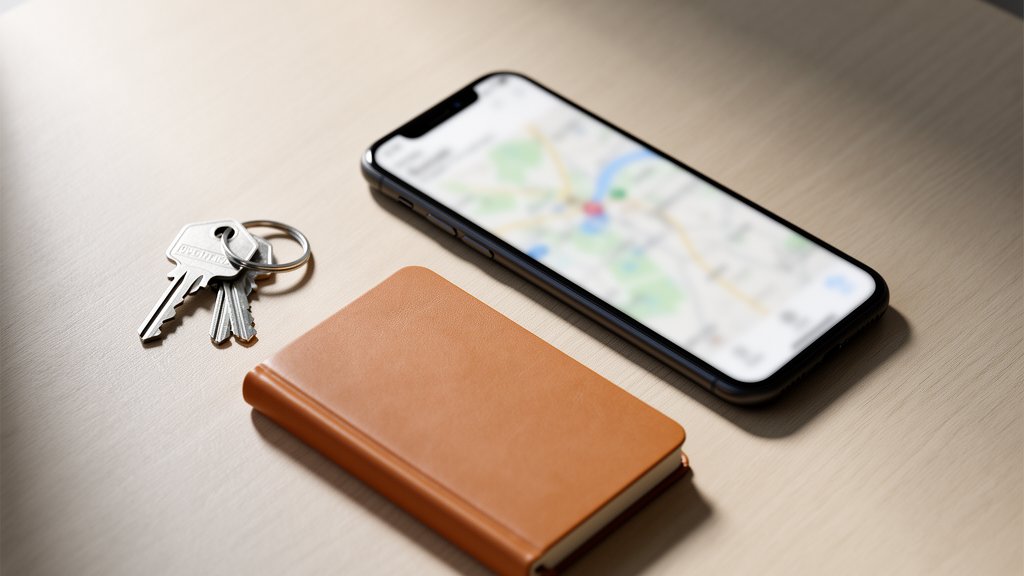
Statistics from the National Association of Realtors (NAR) indicate that 43% of commercial agents have conducted property showings solo. To mitigate the risk of being alone, always ensure a trusted contact knows your exact coordinates. Use GPS-enabled mobile applications to share your "live" location with a designated colleague or family member. In rural areas where cellular signals are prone to dropping, the buddy system is non-negotiable—never visit a remote site without a partner.
4. Restrict Tours to Daylight Hours
Visibility is one of your greatest assets. Aim to schedule all property visits during the day when natural light is abundant and neighborhood activity is at its peak. High visibility makes it easier for neighbors to notice any unusual occurrences. If you meet a neighbor during a daytime walk-through, introducing yourself and providing a business card can create an informal network of eyes on the property.
5. Shield Property Status in Marketing
Avoid using the term "vacant" in your MLS descriptions or digital advertising. Explicitly labeling a home as empty is an invitation for intruders or individuals seeking a secluded location for criminal activity. Instead, use neutral language to describe the property's availability. To achieve the aesthetic of an occupied home in your marketing photography, utilize virtual staging tools to create a lived-in feel without disclosing the occupancy status.
6. Strategic Positioning During Walkthroughs
Your physical placement inside a home can dictate your ability to escape an emergency. Always allow the clients to walk ahead of you into every room. This gives you a clear view of their movements and ensures you are never backed into a corner or a windowless basement. Most importantly, it keeps the exit path behind you clear at all times.
7. Conduct a Pre-Showing Security Sweep
Arrive at every property early to perform a safety check. Familiarize yourself with all points of entry and exit, checking that deadbolts and window locks are functional. Identify potential hazards such as loose floorboards or dark stairwells. If a client arrives before you have finished your sweep, politely ask them to wait in their vehicle until you have the property ready for viewing.
8. Practice Defensive Parking Habits
When arriving at a listing, park on the street rather than the driveway. This prevents another vehicle from blocking you in and ensures you have a direct path to leave. Opt for well-lit areas in view of other houses. If you are forced to park in a driveway, never pull in nose-first; always back in so you can exit the premises immediately if the situation turns uncomfortable.
9. Leverage Mobile Safety Technology
Current data shows that 65% of NAR members utilize smartphone-based safety tools. Modern real estate safety apps provide features like "one-touch" panic buttons and automatic alerts if you fail to check in after a scheduled showing. Familiarize yourself with tools like SentriKey or the Find My feature on your device. Ensure your phone is kept on your person—ideally in a pocket—rather than in a bag that could be separated from you during a confrontation.
10. Maintain Personal Data Privacy
Real estate is a social profession, but sharing too much personal information can lead to targeted harassment or identity theft. Use professional-only contact methods, such as a Google Voice number or an office line, to shield your home phone number. Be cautious about posting details of your personal daily routine or photos of your own home on professional social media accounts.
11. Develop a Comprehensive Emergency Plan
Safety protocols should extend beyond human threats. Prepare for scenarios involving aggressive animals, property fires, or extreme weather. Knowing the location of the nearest hospital and carrying a basic first-aid kit in your car is essential. Furthermore, educate your clients on their role in safety; remind sellers to lock away jewelry, prescription medications, and sensitive documents before any showing takes place to prevent opportunistic theft.
Expert Insight: Staying Prepared
Success in real estate requires more than just sales skills; it requires the discipline to follow safety protocols every time, without exception. Approximately 67% of agents now follow a standardized personal safety script for every client interaction. By making these 11 steps part of your standard operating procedure, you build a foundation of security that allows your career to thrive safely.