
In the competitive world of real estate, generating early momentum for a new listing can be the difference between a quick sale and a stagnant property. One of the most effective ways to build this energy is through a broker open house. This guide explores 15 essential insights and actionable steps to help you master this high-impact industry tactic. From logistical planning to networking strategies, we’ll show you how to turn a simple property tour into a powerhouse professional event.
1. Defining the Broker Open House
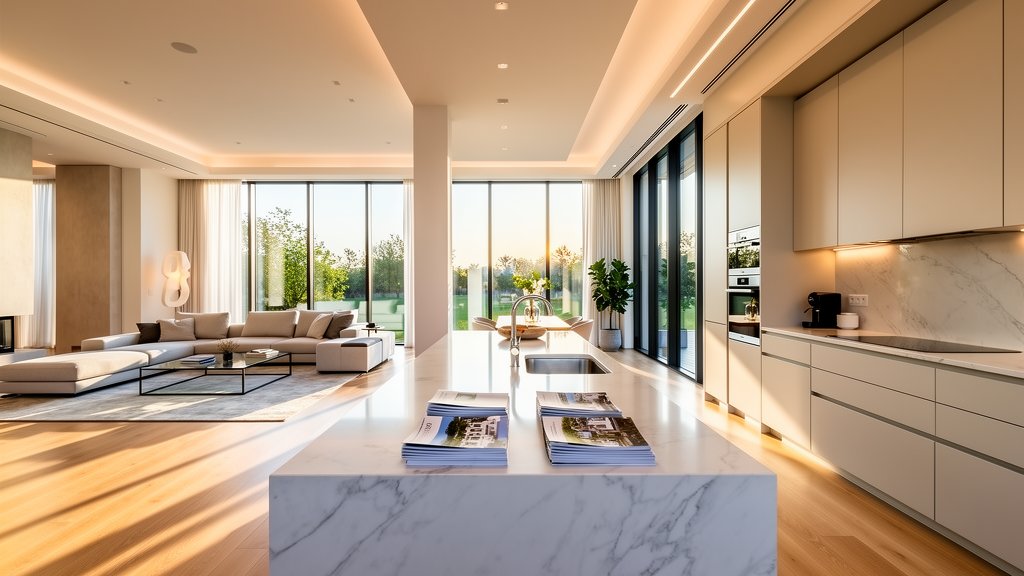
Essentially a "sneak peek" for the industry, a broker open house—often referred to as a broker preview—is a specialized event where a listing agent invites other real estate professionals to tour a home. Unlike a public open house, the goal here is to win over the people who represent the buyers. By giving your colleagues exclusive access, you allow them to vet the property for their current clients before it ever hits the general public's radar.
2. Key Differences from Public Events
While the physical setup might look similar—complete with signs and refreshments—the underlying strategy is fundamentally different. Public open houses are designed to capture buyer leads directly. In contrast, broker previews are a form of indirect marketing; you are selling the property to other agents so they, in turn, can sell it to their buyers. Data from the National Association of Realtors (NAR) highlights the importance of professional networking, noting that while many buyers use open houses for information, only 4% actually find their home via an open house sign.

3. Optimizing Schedule and Timing
Timing is critical for professional attendance. While public houses dominate the weekends, the best time for a broker preview is usually a weekday during business hours—mid-morning or early afternoon are industry favorites. This allows agents to incorporate the tour into their work schedule without infringing on their personal time or their own weekend showings.
4. Accelerating Your Marketing Reach
One of the primary advantages of this event is efficiency. Rather than scheduling twenty individual showings, you can host twenty agents in a two-hour window. This not only saves time for the seller but also ensures a massive burst of exposure right as the listing goes live, creating a sense of urgency within the local brokerage community.
5. Building Professional Peer Connections
Beyond selling the specific house, these events serve as high-value networking opportunities. They provide a space for you to build rapport with your peers, discuss market trends, and establish yourself as an organized, professional listing agent. These relationships often lead to smoother negotiations and more frequent referrals down the road.
6. Curating Your Professional Guest List
Success begins with who you invite. Don't limit your list to just real estate agents; consider inviting local lenders, title officers, and real estate attorneys. These professionals often have their fingers on the pulse of the market and may know of buyers who haven't even started their active search yet. Aim for a mix of top producers and active local area specialists.
7. Preparing the Property for Scrutiny
Professional guests have a sharper eye for detail than the average buyer. Work with your seller to ensure the home is in top-tier condition. Beyond standard cleaning and staging, pay attention to "invisible" factors like scents and temperature. If the event falls during a holiday season, subtle, tasteful decorations can help colleagues envision how their clients would celebrate in the space.
8. Establishing a Strategic Event Budget
While some digital marketing is free, a successful event requires a dedicated budget for high-quality invitations, physical signage, and refreshments. Luxury listings typically demand a higher spend to match the expectations of the target market, whereas a standard family home may only require a few hundred dollars to execute effectively.
9. Utilizing Modern Tech for Lead Capture
Manual paper sign-in sheets are increasingly outdated. Using digital tools allows for immediate data entry and seamless follow-up. For example, the ListingHub.ai Listing Poster Generator can be a game-changer here. It allows you to quickly create professional-grade flyers and posters with integrated QR codes. When agents scan the code on your poster, they can be directed to a digital sign-in page or a property landing page, ensuring you capture every visitor's contact information accurately for your CRM.
10. Sending High-Impact Invitations
Your invitation is the first impression of the listing. Use professional design tools like Canva to create invitations that reflect the home's personality—perhaps unbleached, rustic paper for a farmhouse or sleek gold-and-black for a luxury condo. Ensure you send these out at least a week in advance and request RSVPs to help with catering logistics.
11. Implementing a Diversified Promotion Strategy
Multi-channel marketing is essential. Supplement your email invites with social media posts in private agent groups and personal phone calls to the area’s top-producing buyer agents. Clearly communicate that the event is for professionals only to avoid accidental visits from curious neighbors who aren't in the market to buy.
12. Mastering the Food and Beverage Experience
Refreshments encourage agents to stay longer and mingle. You don't need a five-course meal; simple, high-quality options like a charcuterie board, sparkling water, or local pastries work well. If you choose a theme—like a "Brunch and Browse"—ensure the food reflects that theme. Always use high-quality disposable plates and cutlery to maintain a professional aesthetic without the cleanup hassle of real china.
13. Integrating Multimedia and Virtual Tours
Enhance the physical tour with digital assets. If the property has a high-end virtual tour or a video walkthrough, stream it on a large screen in the living area. This gives agents a different perspective on the home and provides them with a ready-to-share link they can text to their clients immediately after leaving the house.
14. Creating Educational Print Collateral
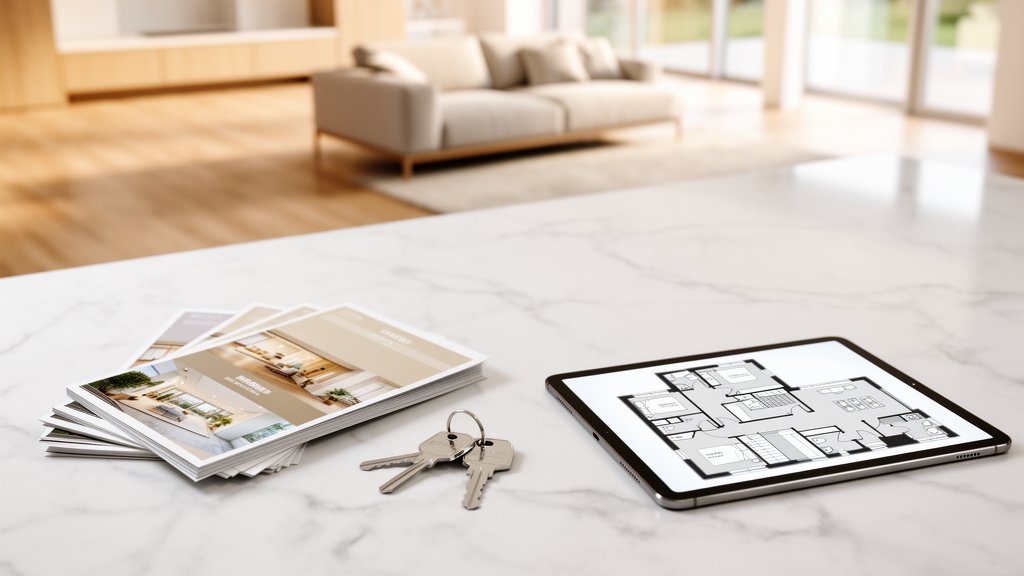
Never let an agent leave empty-handed. Provide professional listing packets that include a detailed property data sheet, a list of recent upgrades, and your business card. Use branded folders to keep these materials organized, ensuring your contact information is easy to find when the agent is ready to schedule a formal showing for their client.
15. The Art of the Professional Follow-Up
The work doesn't end when the last guest leaves. Within 24 to 48 hours, send a personalized thank-you note or email to everyone who attended. This is your opportunity to ask for professional feedback on the pricing and presentation, and to inquire if they have any specific buyers in mind. Quick, professional follow-up reinforces your brand and keeps your listing top-of-mind.
Conclusion
A well-executed broker open house is more than just a party—it’s a sophisticated marketing engine. By focusing on professional presentation, strategic networking, and consistent follow-up, you can turn your colleagues into your most powerful sales advocates. Ready to host your next event? Start by preparing your guest list and setting a date that maximizes your local network's availability.